No, butter is not vegan. It is made by churning cream from cow's milk, so every stick of dairy butter, including ghee, clarified butter, grass-fed and organic butter, is an animal product. The good news is that the vegan butters we have tested have gotten close enough that most people will not notice the swap.
We get this question a lot from readers who are not vegan themselves. Some are cutting dairy for digestion, some are cooking for a vegan guest, and some just read "grass-fed" on a label and wondered if that changed anything. This guide covers what butter is, why none of its variations qualify, and what to buy instead.
What butter is made of
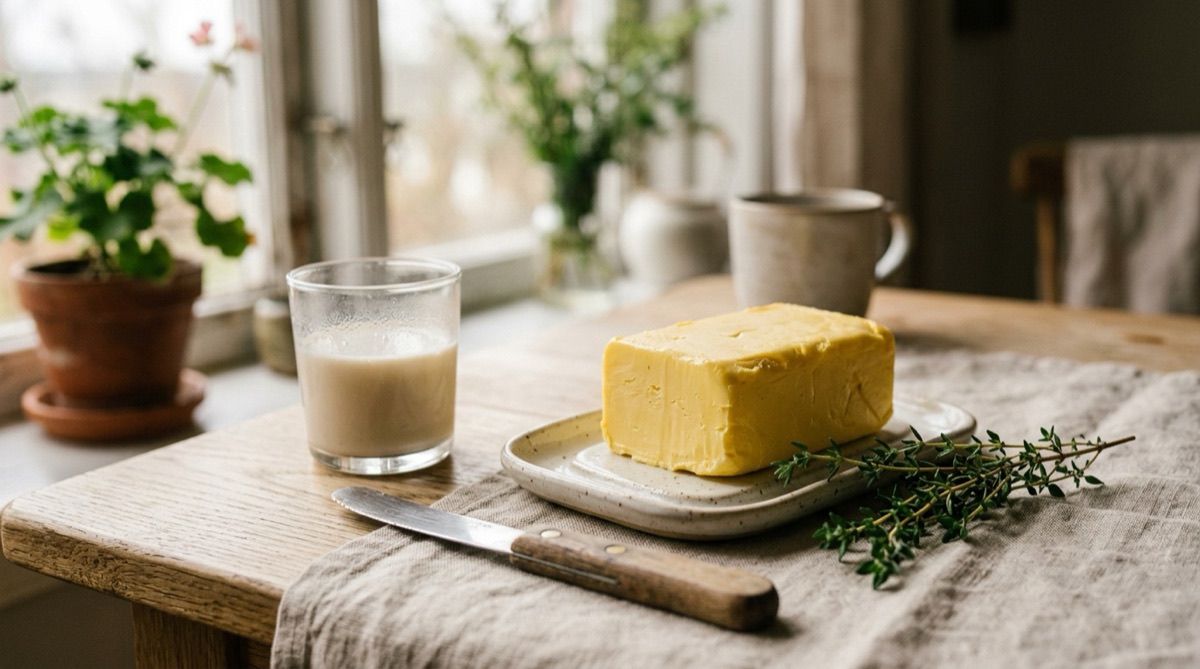
Butter starts as cream skimmed from cow's milk. The cream is churned until the fat clumps together and separates from the liquid, which is the buttermilk. What remains is pressed into a block: roughly 80% milkfat, a little water, and some milk solids.
Salted butter adds salt. Cultured butter adds live cultures before churning for a tangy flavor. Either way, the entire product comes from an animal, which is the one thing a vegan food cannot contain.
Why butter is never vegan, in any form
Labels like "grass-fed," "organic," "pasture-raised" or "European style" describe how the cows were raised or how the butter was made. They say nothing about whether it comes from milk, because it always does. Here are the variations we get asked about most.
Ghee and clarified butter
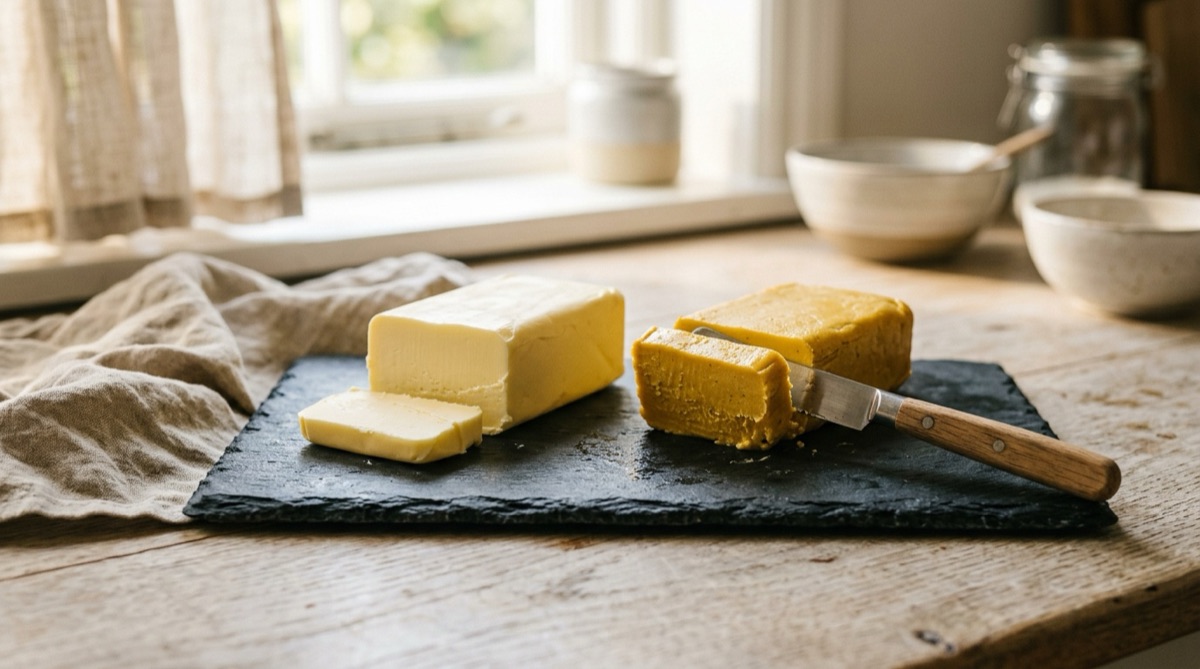
Ghee is butter simmered until the water evaporates and the milk solids brown and sink, and clarified butter is the same idea with the solids skimmed off. Both remove most of the lactose and casein, which is why some lactose intolerant people tolerate them, but the fat is still cow's milk fat. Neither is vegan.
Grass-fed and organic butter
Grass-fed butter comes from cows eating grass instead of grain. Organic butter comes from cows raised under organic rules. Both are still churned cream, so both are still dairy.
Cultured, whipped and compound butter
- Cultured butter: cream fermented with live cultures before churning. Still dairy.
- Whipped butter: regular butter with air beaten in. Still dairy.
- Compound butter: butter mixed with herbs, garlic or honey. Dairy, and often honey on top.
- Brown butter: butter cooked until the milk solids toast. Dairy.
The rule is simple: if the word "butter" refers to a dairy product, it is not vegan. The word only means something different when it is attached to a plant, as in peanut butter, almond butter or cocoa butter.
Is margarine vegan?
Often, but not always. Margarine was invented as a butter substitute made from vegetable oils, yet many brands add whey, lactose, casein or milk fat for flavor, plus vitamin D3 sourced from lanolin, which comes from sheep's wool. Store brand margarines are the most common offenders.
Products sold as "plant butter," such as Earth Balance Original Buttery Spread and Country Crock Plant Butter with Olive Oil, are fully vegan. We compared the two categories side by side in our post on vegan butter vs margarine, including which one bakes better.
How to spot hidden dairy on a label
The fastest check on a US label is the allergen line: if it says "Contains: milk," you are done. Milk is one of the major allergens that must be declared, so a spread with any dairy ingredient has to say so. When there is no allergen line, scan the ingredient list for these.
| Ingredient | What it is | Vegan? |
|---|---|---|
| Whey | Liquid protein left over from cheese making | No |
| Casein, caseinate | The main milk protein, used for texture | No |
| Lactose | Milk sugar | No |
| Milk solids, nonfat dry milk | Dried milk with the water removed | No |
| Butterfat, milk fat, buttermilk | Dairy fat, or the liquid left after churning | No |
| Natural flavor | Can be plant or dairy derived; check the allergen line | Depends |
| Vitamin D3 | Usually from lanolin unless labeled vegan or from lichen | Usually no |
| Lactic acid | Made by fermenting sugars, despite the name | Usually yes |
| Mono- and diglycerides | Emulsifiers made from plant or animal fat | Depends |
"Natural flavor" is the sneaky one. In a buttery spread it is sometimes derived from dairy to mimic real butter, and you will only know from the "Contains: milk" line or a vegan certification mark. If a product is labeled vegan or carries a certified vegan logo, all of the above has already been checked for you.
Which spreads are actually vegan
Every product in our vegan butter category is fully plant based. In rough order of how easy they are to find in a US supermarket:
- Country Crock Plant Butter with Olive Oil: sticks and tubs, plus avocado oil and almond oil versions. The cheapest sticks and the easiest to find.
- Earth Balance Original Buttery Spread: the classic since the late 1990s. Tubs and sticks, plus a soy-free version. See our Earth Balance review.
- Miyoko's Creamery Cultured Vegan Butter: cashew and coconut oil, cultured for a real tang. Our flavor benchmark.
- Flora Plant Butter: salted and unsalted, reliable for baking.
- Violife Vioblock: a coconut oil block in the European style. Nut-free and soy-free.
- Kite Hill European Style Butter: almond milk cream, higher fat, rich.
- Melt Organic Buttery Spread and Forager Project Buttery Spread: organic tub spreads with short ingredient lists.
The best vegan butter for each job
Vegan butters are oil blends, and the blend decides what they are good at. Coconut oil based butters melt at a lower temperature than dairy, and tub spreads hold more water than sticks. Pick by use, not by brand loyalty.
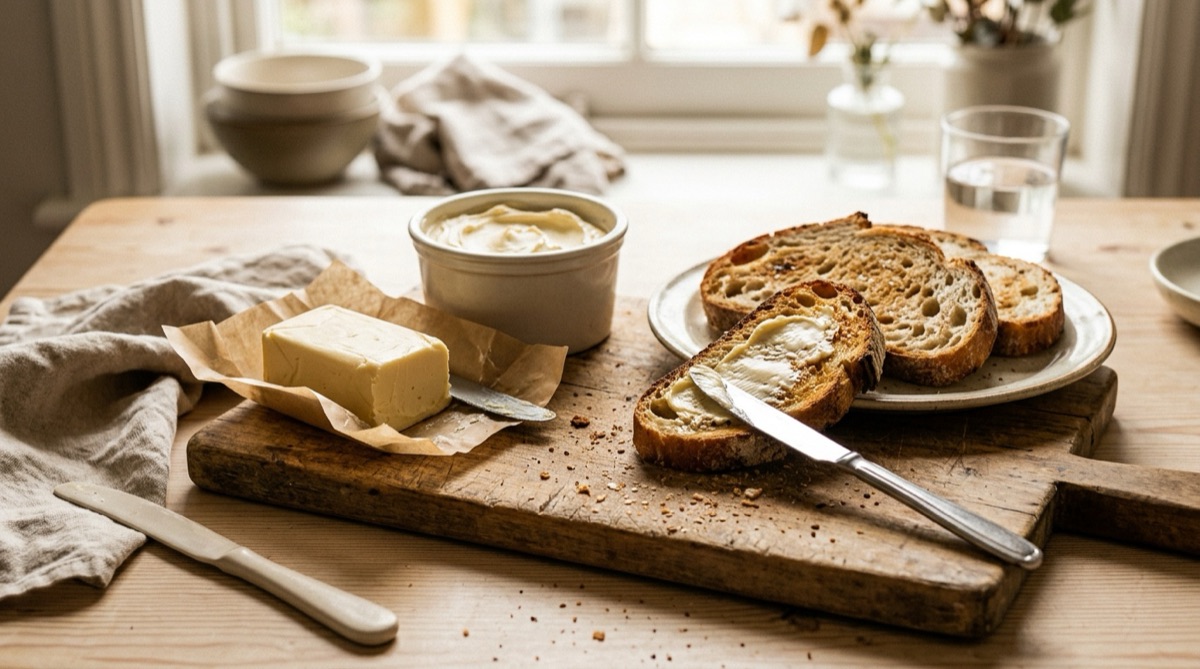
For spreading on toast
Any tub works, because the extra water keeps it soft straight from the fridge. Earth Balance Original is the crowd pleaser, Melt Organic spreads well even when cold, and Forager Project is the pick for people who want a short ingredient list. When the bread is good enough to deserve it, let a slice of Miyoko's come to room temperature first.
For baking
Use sticks or blocks, never tubs. Sticks sit close to the 80% fat of dairy butter, while tubs can drop well under 60%, which turns cookies flat and greasy. Miyoko's won our vegan butter baking test, with Flora Plant Butter and Country Crock sticks close behind at a lower price.
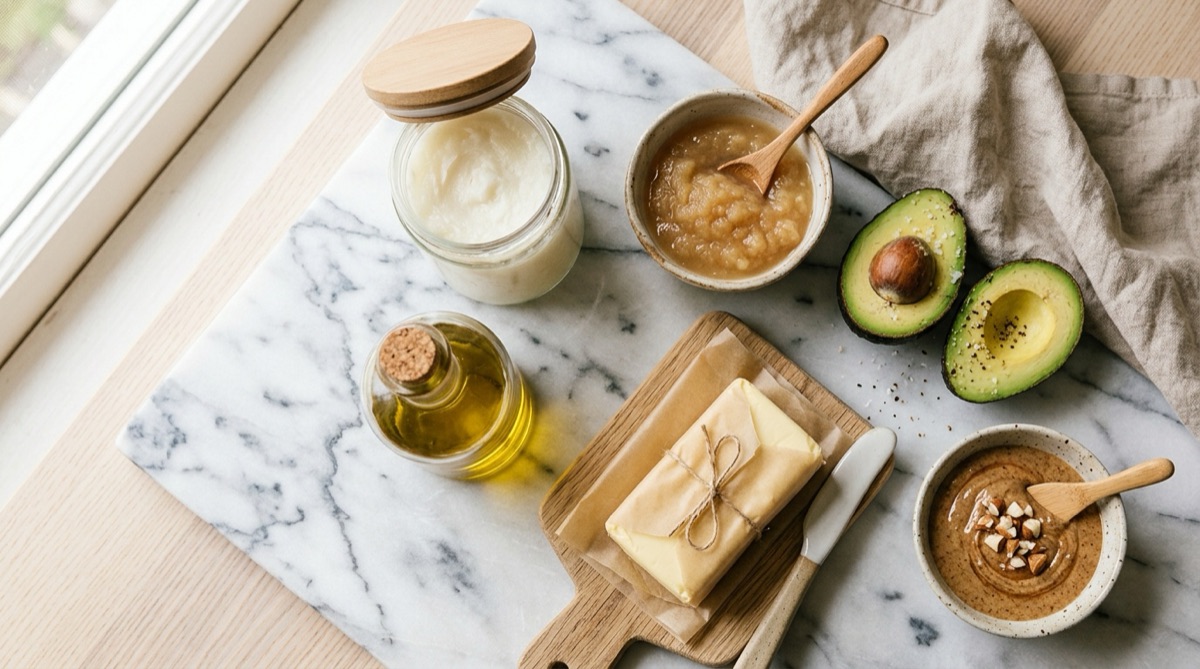
One adjustment: coconut based butters soften fast, so chill pie dough and laminated pastry longer than the recipe says. If you would rather swap in pantry ingredients, our guide to vegan butter substitutes covers ratios for coconut oil, applesauce and more, and our sister site Easy to Cook Meals has recipes written for plant butter from the start.
For cooking and sauteing
Country Crock Plant Butter with Olive Oil or Avocado Oil handles medium heat well and browns onions nicely. Violife Vioblock is our pick for finishing pan sauces and melting over vegetables. For high heat searing, skip butter entirely and use avocado oil.
Frequently asked questions
Is butter vegan?
No. Butter is churned from the cream of cow's milk, which makes it an animal product, and that applies to salted, unsalted, grass-fed, organic, cultured and European style butter alike. Vegan butter, made from plant oils, is the direct replacement.
Is ghee vegan?
No. Ghee is dairy butter simmered until the water evaporates and the milk solids are removed. It contains very little lactose or casein, which is why some people with lactose intolerance tolerate it, but the fat is still cow's milk fat, so it is not vegan.
Is margarine vegan?
Some margarine is vegan and some is not, because many brands add whey, casein, lactose, milk fat or vitamin D3 from lanolin. Check for a "Contains: milk" allergen line or a vegan label. Plant butters such as Earth Balance and Country Crock Plant Butter are reliably vegan.
Is peanut butter vegan?
Almost always. Peanut butter, almond butter and other nut butters are ground nuts with optional salt, oil or sugar, none of which come from animals. The exception is flavored versions sweetened with honey, so check the label if you avoid honey.
Does "dairy-free" on a label mean vegan?
Not necessarily. Dairy-free means no milk ingredients, while vegan means no animal ingredients at all. A dairy-free spread can still contain vitamin D3 from lanolin or flavorings from animal sources, so look for the word vegan or a certification mark when it matters to you.
Bottom line
Butter is never vegan, no matter how the cows were raised or how the cream was processed. Margarine might be, but only the label can tell you, and the allergen line is the quickest place to look. For a swap that behaves like butter, pick sticks for baking and tubs for spreading from our reviewed vegan butters. Miyoko's is the one to buy when flavor matters most, and Country Crock is the one to buy every week.